Affordable DIY Hair Clippers Under 50 Dollars: Cordless & Corded Models That Actually Work
Discover the best affordable hair clippers under $50 for home use in 2026. We tested top budget cordless and corded clippers for DIY haircuts, comparing cutting power, guard systems, battery life, and real user feedback to help you skip the barber and cut with confidence.
As an Amazon Associate and member of other affiliate programs, I earn from qualifying purchases made through links on this site.
Looking for reliable, budget-friendly hair clippers for DIY haircuts at home?
These three models deliver sharp, consistent cuts, strong customer feedback, and easy online availability—all within a $50 price range.
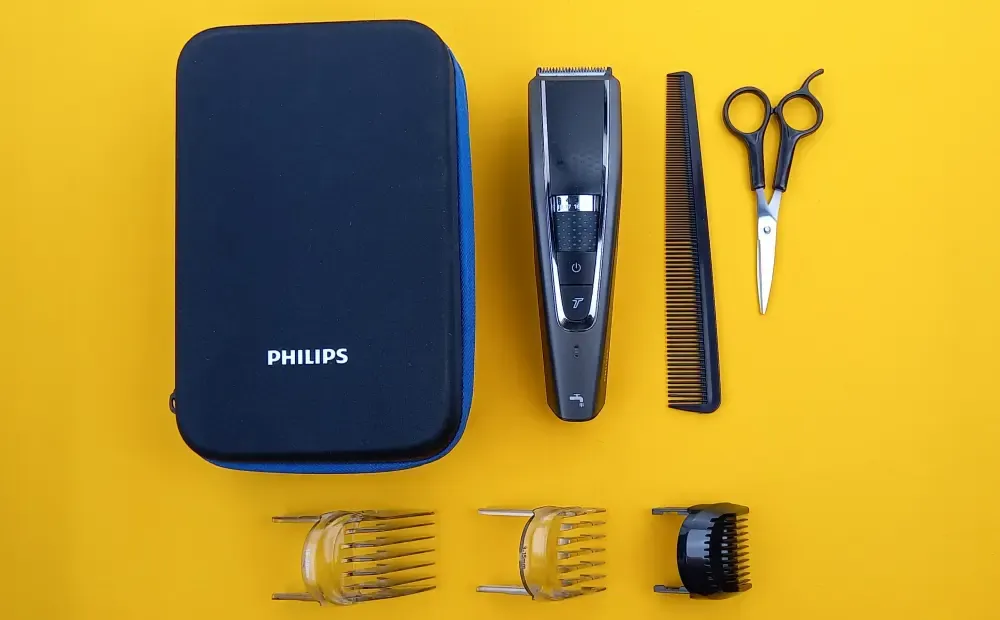
Want my personal favorite right away? Check the Norelco Philips Hair Clipper 7000 on Amazon.
3 Affordable Hair Clippers for Home Use: Good Options Around $50
Color Pro Cordless Rechargeable Hair Clipper Kit

Who it's for: Ideal for first‑time home barbers and families who want a simple, color‑coded guard system and the flexibility of cordless/corded use for quick touch‑ups and full haircuts without buying multiple tools.
Why it's on the list?
Its biggest advantage is simplicity: the color-coded guide combs correspond to a color key on the clipper, making it easier to remember your preferred cutting length. It can be used either cordlessly or plugged in, has self-sharpening stainless-steel blades and includes a generous selection of guards ranging from 1.5 mm to 25 mm, plus ear-taper guides.
What users like?
The combination of straightforward operation, lots of included attachments, cordless convenience and familiar Wahl construction makes it particularly appealing for basic home haircuts. Independent testing by Forbes Vetted also selected the Color Pro Cordless as its best-value hair clipper, praising its ease of use and suitability for beginners.
Possible drawbacks
Battery performance degrades noticeably after 18–24 months of regular use. The blade dulls faster than professional-grade models, requiring more frequent replacement (typically every 6–9 months with regular use). Some users report the guards loosen slightly during cutting, requiring occasional readjustment. Not ideal for thick or curly hair types, which demand more powerful clippers.
Remington HC4250 Shortcut Pro
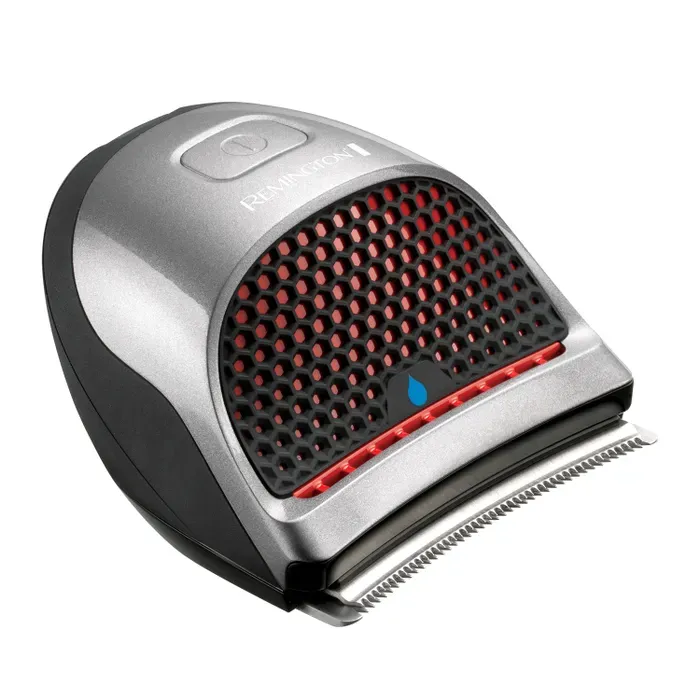
Who it's for: Best for solo users who want ultra‑fast, one‑pass haircuts on their own head—especially those with short styles, buzz cuts, or maintenance trims who value speed and comfort over salon‑style fades.
Why it's on the list?
Its wide, curved self‑sharpening steel blades cover more scalp per pass, the ergonomic "palm‑grip" design makes self‑cutting easy, and it offers cordless convenience with strong, consistent cutting performance in a compact, quiet package.
What users like?
Users highlight how quickly they can complete a full cut (often under 5 minutes), the comfortable rubberized grip that's easy to maneuver at the back of the head, and the quiet motor that's great for shared spaces or cutting kids' hair.
Possible drawbacks
The unusual curved head is excellent for quickly covering the scalp but isn't ideal for precision work around the ears, neckline or facial hair. Its 1.5–15 mm range is also more limited than the Wahl's, so it is not the best choice if you regularly want longer hairstyles or many different cutting lengths.
Philips Norelco Hair Clipper 7000
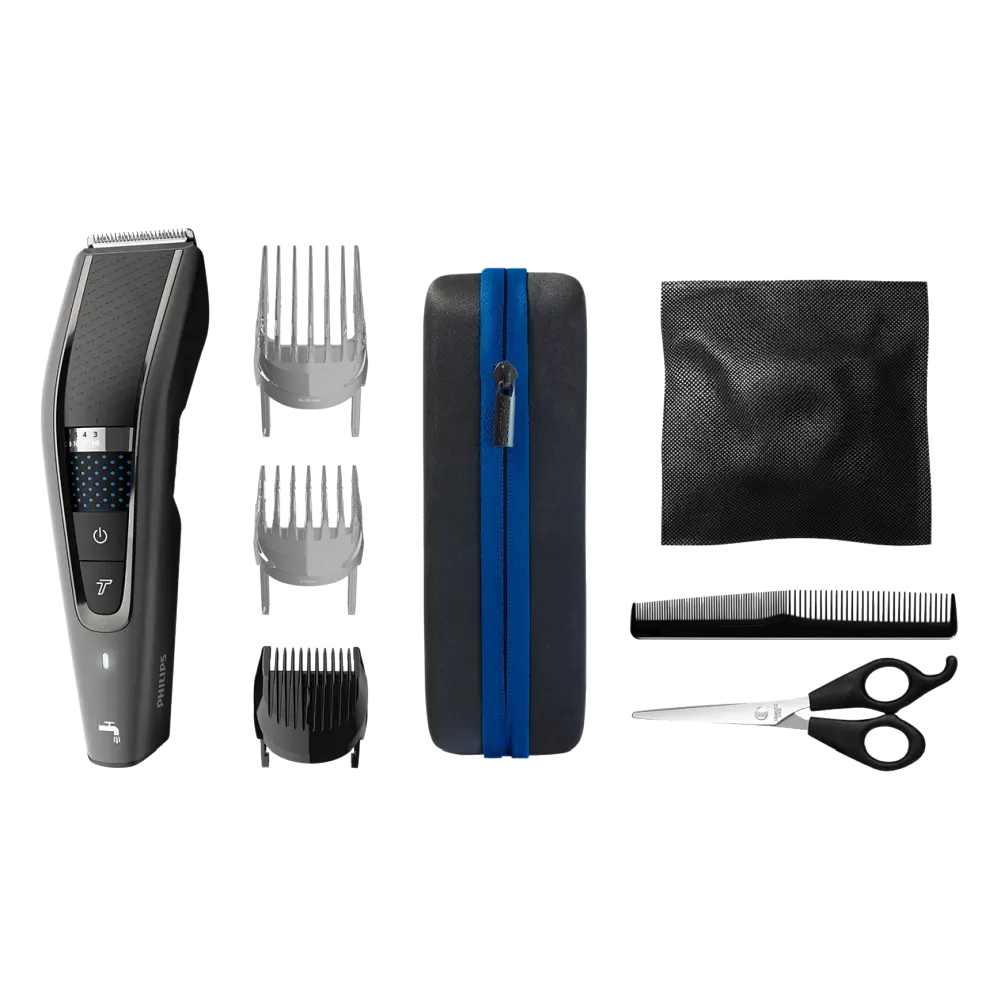
Who is it for? The Philips Norelco Hair Clipper 7000 is best for home users who want something more versatile than a basic budget clipper, particularly men who cut their hair regularly, switch between different hair lengths or want enough adjustment range for everything from very short cuts to longer styles.
Why it's on the list?
This is the most feature-rich clipper of the three, with 28 length settings from 0.5 to 28 mm in 1 mm increments, self-sharpening stainless-steel blades, a PowerAdapt sensor that adjusts cutting power according to hair density, and Trim-and-Flow technology designed to keep hair moving through the comb instead of clogging it. It also offers corded and cordless operation, with up to 90 minutes of cordless use from a one-hour charge.
What users like?
The combination of precise length control, strong cutting performance and relatively long battery life makes it a particularly attractive choice for regular DIY haircuts. The adjustable precision dial is also more convenient than keeping track of a large collection of individual guide combs. The model associated with this Amazon listing has a 4.6/5 customer rating from around 195 reviews in currently indexed marketplace data.
Possible drawbacks?
It is more expensive than some basic home hair clippers and may occasionally sit above the $50 target, with recent price tracking putting this particular Amazon listing around $59.99, although it has also dropped below $50. The extra features may also be unnecessary if you only want a simple buzz cut with one or two cutting lengths. In addition, the many adjustment options don't turn it into a professional fading clipper—the lack of a traditional taper lever still limits fine fade work compared with dedicated barber clippers.
Bottom line
- Wahl Color Pro Cordless → best straightforward/beginner family clipper
- Remington Shortcut Pro HC4250 → best for cutting your own short hair
- Philips Norelco Hair Clipper 7000 → best for versatility and precise length control
Frequently Asked Questions About Choosing Home Hair Clippers
What should I look for in a hair clipper for home use?
For most people, prioritize blade quality, useful cutting lengths, comfortable handling, reliable guide combs and sufficient motor power rather than chasing professional specifications. If you cut your hair frequently, cordless operation and easy cleaning become more important.
Are cheap hair clippers good enough for home haircuts?
Yes. A $30–$50 hair clipper can be perfectly adequate for buzz cuts, short back-and-sides styles, children's haircuts and routine maintenance. The main compromises compared with expensive professional clippers are usually motor performance, battery technology, precision and durability under heavy use.
Is a cordless or corded hair clipper better?
Cordless clippers are more convenient, especially when cutting your own hair, but battery-powered models require charging and their batteries eventually wear out. A corded or cord/cordless clipper is a good choice if you want maximum reliability and don't want to worry about running out of power halfway through a haircut.
What guard size should I use for different haircuts?
Guard length directly corresponds to final hair length. #1 guards = 1/8" (very close); #1.5 = 3/16"; #2 = 1/4"; #3 = 3/8"; #4 = 1/2". For fades, start shorter at the bottom and gradually increase guard size moving up. Beginners should start one size longer than desired, since clipper technique matters more than guard size alone.
Do I need a separate trimmer for the neckline and around the ears?
Not necessarily, but it can make finishing a haircut considerably easier. Hair clippers are designed primarily for removing larger amounts of hair, while smaller trimmers are better for outlining the neckline, sideburns and areas around the ears.
Can I use a hair clipper for a fade?
You can, but not every budget clipper is equally good at fading. A model with a taper lever and small length increments generally gives you more control when creating a gradual transition. Basic guide-comb clippers are better suited to uniform cuts and simple short hairstyles.
How often should I oil hair clipper blades?
Follow the manufacturer's instructions because blade designs differ. Some modern clippers use blades designed to require little or no oiling, while traditional metal clipper blades benefit from regular lubrication to maintain smooth operation and reduce wear.
How do I maintain clipper performance and longevity?
Clean the blade after every use with the provided brush to remove hair clippings. Oil the blade weekly (or as recommended) with clipper oil—this reduces friction and heat buildup. Store in a dry location. For cordless models, don't let the battery fully drain repeatedly; partial charge cycles extend battery lifespan. Replace dull blades promptly rather than forcing through thick hair.
Is it realistic to get barbershop-quality results with a $50 clipper?
Yes, with practice and patience. The clipper is just one part of the equation—technique, guard selection, and understanding your hair type matter equally. Budget clippers perform well for buzz cuts, simple fades, and basic maintenance. Complex styling or artistic fades demand more experience, regardless of clipper price.
Other Helpful Hair Clipper Guides
- Wirecutter (NYT): The 4 Best Hair Clippers of 2026 – Rigorous testing of home clippers with clear pros/cons.
- Home To Sight: 5 Best Budget Hair Clippers – Focused on under‑$50 models with spec breakdowns.
- WiseBarber: Best Cheapest Hair Clippers in 2026 – Value‑oriented roundup with ratings and buying tips.
- 10Trim: Best Hair Clippers for Home Use in 2026 – Tested picks across budgets and use cases.
- HairClippersClub: 8 Best Hair Clippers Reviews 2026 – Honest comparisons and user‑focused recommendations.
- The Barbering Guide to Clipper Guards and Fade Techniques — Barberspirit's definitive reference for understanding guard sizes, proper clipping angles, and fade cutting methodology. Essential reading for mastering technique with any clipper model.
- Consumer Reports: Best Budget Hair Clippers for Home Use — Independent testing and long-term durability assessments across budget models, including battery lifespan and blade retention data.
- Professional Barber Tips: Maintaining Clipper Blades for Longevity — Master Barber Association's maintenance guide covering cleaning protocols, oiling schedules, and blade replacement indicators to maximize clipper lifespan.
- How to Cut Your Own Hair: Complete DIY Guide — Men's Grooming 101's step-by-step tutorial for beginners, including pre-cut preparation, clipper techniques, and troubleshooting common mistakes.
- Motor Power vs. Blade Quality: What Really Matters in Budget Clippers — Grooming Tech's technical breakdown of motor specifications, blade steel ratings, and how these factors impact cutting performance across price tiers.